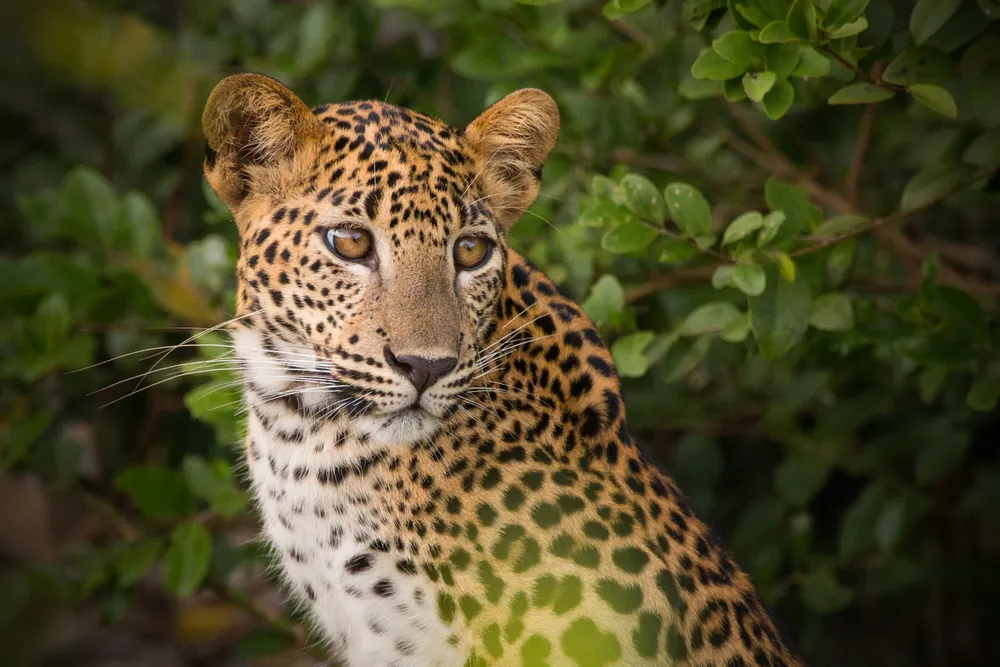
The leopard
A glimpse is a privilege. Scan the forest margins, stay patient, and let the animal choose its distance.
View photograph & creditSri Lanka, a little wilder
Wilpattu’s signature is the villu: a natural, sand-rimmed basin that collects rainwater. These lakes bring a distinctive rhythm to the surrounding dry-zone forest.
Wilpattu National Park lies in the lowland dry zone of northwestern Sri Lanka. Its defining feature is the villu: a natural depression that holds rainwater, often edged by sand. These water bodies sit among forest and scrub habitats.
Sri Lanka Tourism identifies leopard, sloth bear, elephant, spotted deer and water buffalo among the park’s mammals. Birds and reptiles add to the experience, so allow time to watch the lakes as well as search the forest margins.
Species recorded in a park are not a promise for a particular visit. Choose a safari for the whole landscape and ask your guide to explain the quieter encounters along the way.
Source: Sri Lanka Tourism’s Wilpattu National Park guide, checked 1 October 2026.
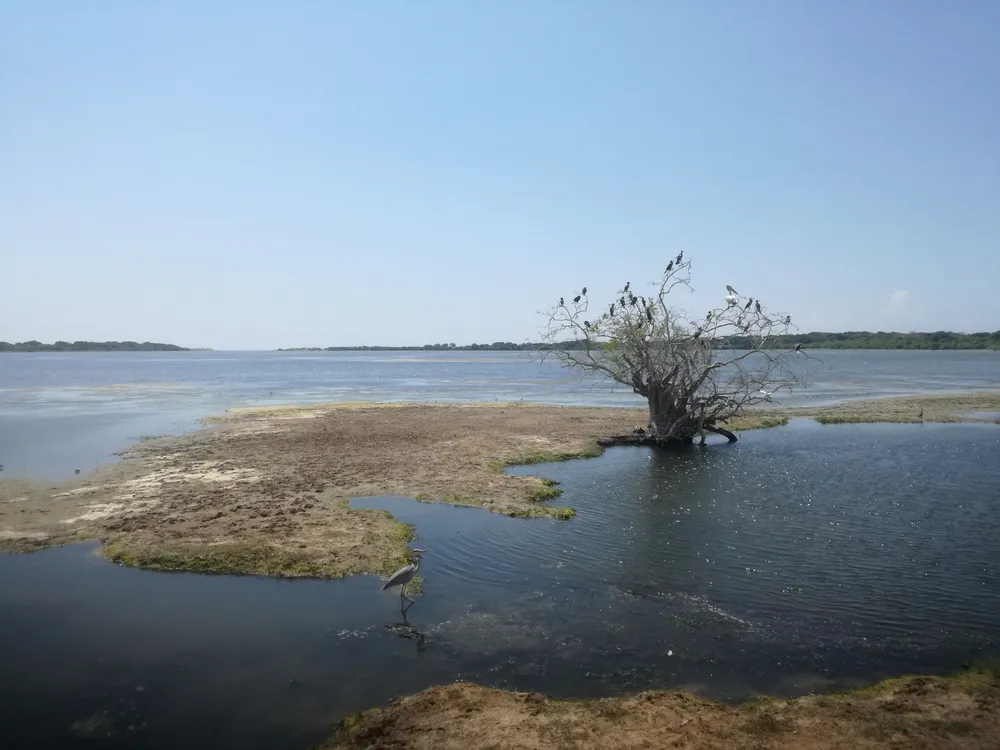
Lake landscape · identified as Wilpattu by the source · Photo credit
Forest & wetland
On Sri Lanka’s northwestern side, Wilpattu brings forests, open lake margins and wildlife habitat together. The transitions are part of its appeal: shade gives way to bright water, and a seemingly still clearing rewards a second look.
A Sri Lanka leopard safari may be the reason you arrive. The rest of the landscape deserves your attention too.
Wild neighbours
A glimpse is a privilege. Scan the forest margins, stay patient, and let the animal choose its distance.
View photograph & credit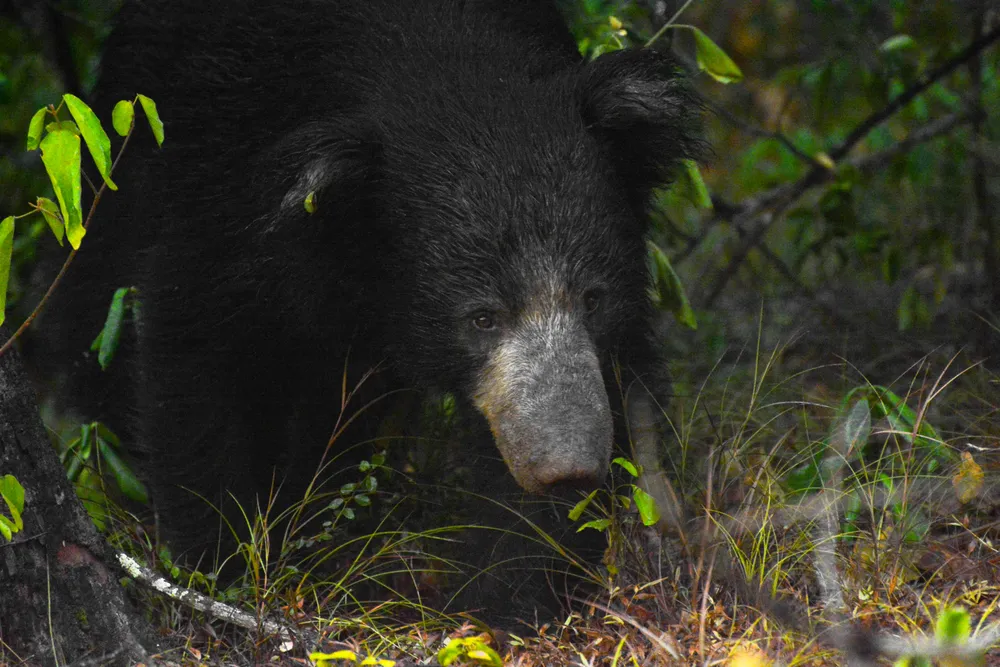
A less familiar member of Sri Lanka’s wildlife. Appreciate a chance encounter without turning it into a pursuit.
View photograph & credit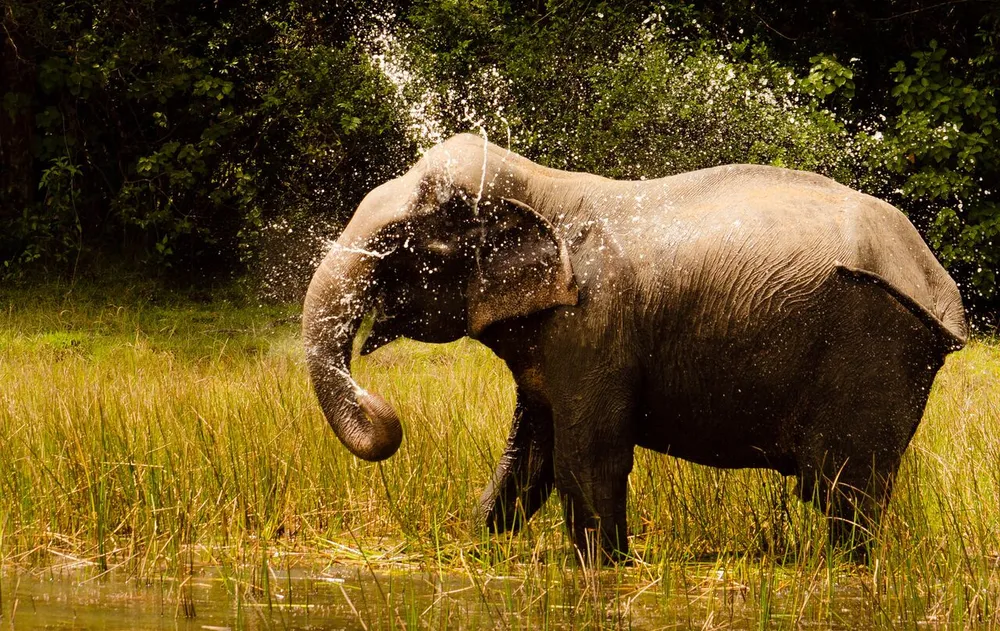
Watch for the quiet details: a lifted trunk, a pause at the water, the movement of a much larger world.
View photograph & creditWilpattu also supports wetland birds and reptiles. Look at the water’s edge as well as the treeline; binoculars can turn a distant shape into a rewarding observation.
Animals move freely, and conditions vary. No route, season or length of visit can promise a particular sighting.
Your next chapter
Start with a date, a little curiosity, and the people you love travelling with.